
Last updated:
Office Strip Out: What Gets Removed and What Stays
Get it wrong in either direction and it can cost you. Remove something that should have stayed, and you may face a claim for damage. Leave something that should have been taken out, and your landlord will arrange the removal themselves — and charge you a premium for it. For typical prices, see our London office strip-out price guide.
At London Dilaps Ltd, we carry out office strip-out projects across London every week, so we know exactly where the lines fall. In this guide, we’ll walk through what typically gets removed in a commercial strip-out, what stays, and how to make sure you get it right for your specific lease.
What Is an Office Strip Out?
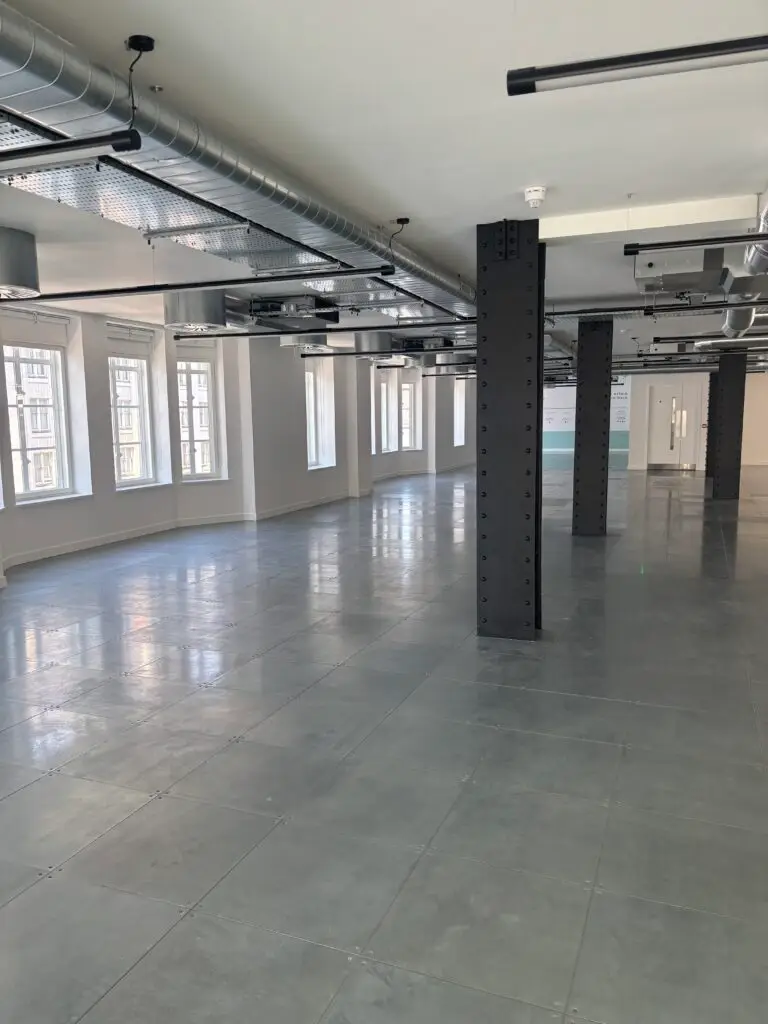
An office strip out — sometimes called a soft strip or de-fit — is the process of removing all tenant-installed fixtures, fittings, and alterations from a commercial space. The goal is to take the office back to either the landlord’s base-build condition or the condition it was in when you took on the lease.
Strip-out works are usually the first phase of a wider office dilapidations programme. Once the strip-out is complete, the space can then be made good, reinstated to CAT A specification if required, redecorated, and cleaned ahead of handover.
The scope of a strip-out depends entirely on your lease obligations and how much you’ve altered the space during your tenancy. A lightly fitted office may only need a few elements removed. A heavily customised space with bespoke joinery, partitioning across the entire floor plate, and supplementary M&E installations could need a comprehensive soft strip. For a room-by-room list of what to remove before handover, use our office strip-out checklist for London tenants.
What Gets Removed in an Office Strip Out?
The general rule is straightforward: anything you installed or altered during your tenancy needs to come out, unless your landlord has agreed otherwise in writing. Here’s a detailed breakdown of the most common elements removed during a London office strip-out.
Partition walls and glazed screens
Meeting rooms, private offices, phone booths, and breakout areas are usually created using stud partitions or glazed screens. These are almost always tenant installations and will need to be fully removed, including the framework, plasterboard, glazing, and any associated door sets. The surrounding walls, floor, and ceiling then need to be made good where the partitions were fixed.
Suspended ceilings
If you’ve installed a new suspended ceiling system or modified the existing one — for example, by changing the grid, adding bespoke panels, or lowering the ceiling height — these changes will typically need to be reversed. In a full CAT A reinstatement, the entire ceiling system may need to be replaced with a new grid and tile to match the original specification. The difference between Cat A and Cat B fit-outs decides what must come out; see Cat A vs Cat B fit-outs explained.
Flooring
Carpet tiles, vinyl, rubber flooring, or any specialist floor finishes installed by the tenant are usually removed during the strip-out. If the office had raised access flooring when you moved in, the tiles on top will come out, but the raised floor pedestals and panels may stay — depending on the lease. We cover this in more detail in the “what stays” section below.
Kitchen and tea point installations
Kitchens, tea points, and coffee bars are one of the most common tenant additions in London offices. The strip-out typically includes removing all cabinetry, worktops, sinks, taps, splashbacks, appliances, and associated plumbing and drainage. The water and waste connections then need to be capped off safely.
Data cabling and IT infrastructure
Virtually every tenant installs additional data cabling — Cat5, Cat6, fibre, and so on. At lease end, all tenant-installed cabling needs to be removed from containment, risers, and ceiling voids. This also includes patch panels, server racks, comms cabinets, and any associated power supplies. Cable removal is one of the most frequently underestimated elements of a strip-out, particularly in larger offices with extensive IT infrastructure.
Mechanical and electrical installations
If you’ve added supplementary air conditioning units, fan coil units, additional lighting circuits, or any other M&E systems, these will usually need to be removed and the existing systems made good. This can also include the removal of additional small power and data outlets that were installed beyond the original landlord provision.
Furniture, fixtures, and fittings
All freestanding and fixed furniture needs to be cleared. This includes desks, chairs, storage units, shelving, whiteboards, TV mounts, signage, branding, and any bespoke joinery such as reception desks or built-in seating. Items fixed to walls — picture hooks, monitor arms, cable management — also need to come out, with the walls made good afterwards.
Branding and signage
Any company branding, logos, vinyl graphics, wayfinding signage, or name boards installed during your tenancy must be removed and the surfaces restored.
What Typically Stays?
Just as important as knowing what to remove is understanding what should be left in place. Removing landlord property or original base-build elements can result in a claim against you, so it’s essential to get this right.
The building’s base-build structure
Structural walls, columns, floor slabs, and the building envelope all stay. This should be obvious, but it’s worth noting that any modifications made to structural elements — such as openings cut through walls — will need to be reinstated.
Original M&E systems
The landlord’s original mechanical and electrical installations typically remain. This includes the main heating and cooling systems, the original lighting layout, the primary electrical distribution, and the fire alarm and suppression systems. Your obligation is to ensure these are left in good working order — not to remove them.
Raised access flooring (usually)
In most London offices, the raised access floor is part of the landlord’s base build. The metal pedestals and panels stay in place. What comes out is anything you’ve laid on top — carpet tiles, vinyl, or other floor finishes. However, if you’ve added additional raised floor sections or modified the layout, those additions may need to be removed. Always check your lease and schedule of condition to be sure.
Core ceiling grid (sometimes)
In some buildings, the original suspended ceiling grid is part of the CAT A specification and should remain. What gets replaced is the ceiling tiles themselves, particularly if they’re stained, damaged, or a non-standard type installed by the tenant. In other cases — especially where the lease requires full CAT A reinstatement — the entire ceiling system may need to come out and be replaced. This varies from building to building.
Landlord fixtures
Items like window blinds, radiator covers, and core area finishes (lobbies, WCs, lift landings) that were provided by the landlord should be left in place unless your lease specifically states otherwise.
Fire safety and life safety systems
The building’s fire alarm system, emergency lighting, sprinkler system, and other life safety installations are landlord property and must remain operational throughout and after the strip-out. Damaging or disconnecting these systems is a serious compliance issue.
How to Know Exactly What Applies to Your Space
Every lease is different, and the scope of your strip-out depends on several things: the specific wording of your reinstatement clause, the schedule of condition (if one was prepared at lease start), any licences for alterations that were agreed during the tenancy, and the landlord’s expectations.
The safest approach is to have your lease reviewed alongside a physical survey of the space before any works begin. This ensures you’re stripping out exactly what’s required — no more, no less.
At London Dilaps Ltd, we do this as standard. We review the lease obligations, inspect the space, and prepare a detailed scope of works that covers precisely what needs to be removed and what should remain. This avoids the two most common problems we see: tenants who overspend by removing things unnecessarily, and tenants who underspend and then face a landlord’s claim for incomplete works.
Common Strip-Out Mistakes to Avoid
Not checking the lease first. Starting a strip-out without understanding your specific obligations is a recipe for problems. The lease and any schedule of condition are the definitive reference points.
Leaving cabling behind. Data cabling is easy to forget because it’s hidden in ceiling voids and risers. But landlords and their surveyors will check, and removing cabling after the fact is more expensive than doing it as part of the main strip-out.
Damaging landlord installations. Careless strip-out work can damage base-build elements — cracking floor tiles, pulling fixings out of structural columns, or scratching lift doors during waste removal. A professional strip-out team manages these risks carefully.
Starting too late. Strip-out works need to fit within your dilapidations timeline. Leaving them to the final weeks of your lease creates pressure, increases costs, and leaves no time to deal with unexpected issues.
Need Help With Your Office Strip Out?
If your lease is coming to an end and you need to understand what needs to be removed from your office, London Dilaps Ltd can help. We provide full office strip-out services across London, from initial survey through to complete soft strip and waste removal.
Contact us today for a free site assessment and a clear, fixed-price quotation.