
Last updated:
Looking for a contractor? Our main page for this is office dilapidations in London: strip-out from £3 per sq ft, make-good from £8 per sq ft, with a free survey and quote. This page is a wider guide to lease exit dilapidations across London.
Lease Exit Dilapidations in London: How to Avoid Costly Landlord Claims
Introduction
Lease exit dilapidations are one of the most common — and expensive — challenges facing commercial tenants in London. Too often, businesses only become aware of their full obligations when a landlord’s dilapidations claim lands on their desk, sometimes demanding tens of thousands of pounds with little time to respond.
The good news is that many of these costs can be avoided or reduced with the right planning, advice, and reinstatement strategy.
At London Dilaps Ltd, we help businesses across London manage lease exit dilapidations efficiently, ensuring offices are handed back compliantly while protecting tenants from inflated or unnecessary landlord claims.
What Are Lease Exit Dilapidations?
Lease exit dilapidations refer to the repairs, reinstatement, and decoration works a tenant is required to complete at the end of a commercial lease.
These obligations are typically set out in the lease agreement and may include requirements to:
-
- Remove tenant alterations and fit-outs
-
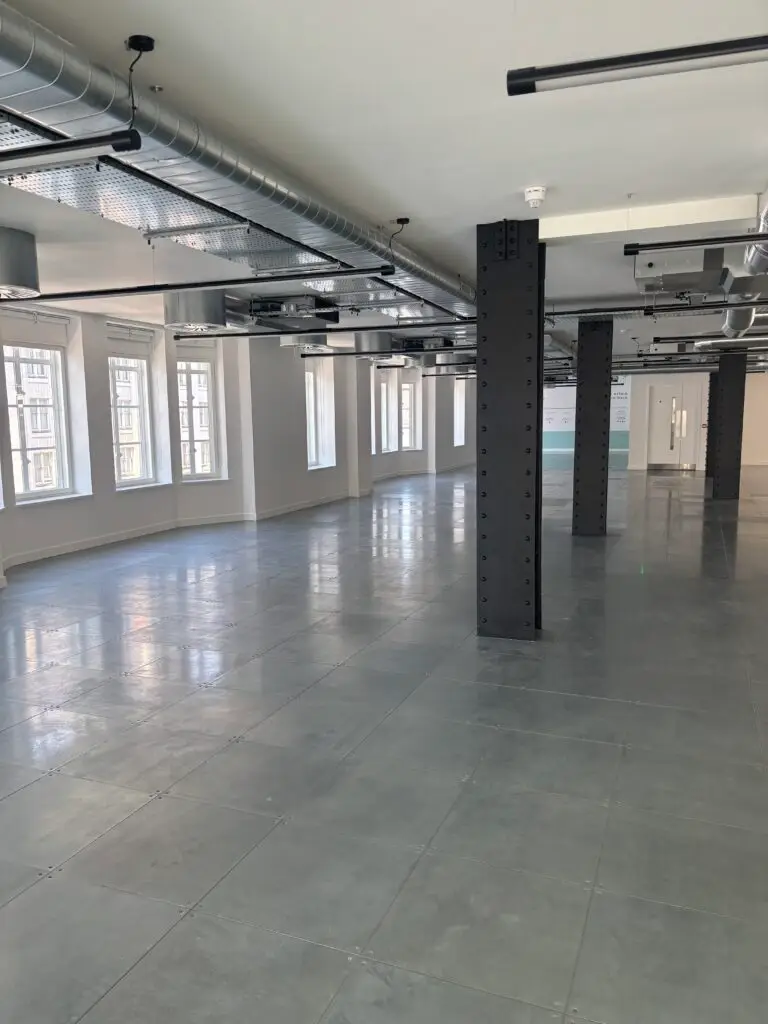
- Reinstate the office to CAT A condition
-
- Repair damage beyond fair wear and tear
-
- Redecorate the premises
-
- Ensure all mechanical and electrical systems are compliant
If these obligations are not met, landlords can pursue a dilapidations claim, either requiring the tenant to complete the works or to pay a financial settlement instead.
Why Are Dilapidations Claims So Expensive in London?
London office dilapidations claims often come with high price tags due to a combination of factors:
-
- Premium labour and material costs
-
- Complex building services and compliance standards
-
- Tight lease exit deadlines
-
- Professional fees added by landlords
-
- Loss of rent claims if delays impact re-letting
In many cases, claims are also overestimated, particularly when prepared without proper tenant representation or technical challenge.
Common Reasons Tenants Face High Landlord Claims
1. Leaving Planning Too Late
Tenants who wait until the final weeks of their lease have little leverage. Urgent works lead to higher costs and limited options for negotiation.
2. Misunderstanding Lease Obligations
Many tenants assume “fair wear and tear” covers more than it actually does. Most London commercial leases contain strict reinstatement and decoration clauses.
3. Accepting the Landlord’s Schedule at Face Value
Landlord schedules are not always definitive. Items may exceed lease requirements or include works the landlord plans to carry out anyway.
4. Using Non-Specialist Contractors
General builders often miss technical compliance issues, resulting in failed inspections and additional claims.
How to Avoid Costly Dilapidations Claims
1. Start Planning 6–9 Months Before Lease End
Early planning gives you time to:
-
- Review the lease properly
-
- Arrange surveys and budgets
-
- Select experienced contractors
-
- Avoid rushed, premium-priced works
Early engagement consistently leads to lower overall costs.
2. Commission a Professional Dilapidations Assessment
A specialist assessment identifies:
-
- Genuine lease obligations
-
- Unnecessary or exaggerated landlord items
-
- Cost-effective reinstatement options
This puts you in a strong position to challenge or negotiate claims.
3. Engage a Specialist Dilapidations Contractor
A professional dilapidations contractor understands:
-
- Commercial lease structures
-
- CAT A reinstatement standards
-
- Landlord inspection expectations
-
- Cost control and programme management
At London Dilaps Ltd, we manage the entire office reinstatement process — from strip-out to final sign-off.
4. Consider Completing the Works Instead of Paying a Settlement
In many cases, completing the reinstatement works directly is significantly cheaper than agreeing to a financial settlement with the landlord.
Why?
-
- Landlord settlements often include contingency and profit margins
-
- Tenants lose control over quality and cost
-
- Professional fees may be added on top
Completing the works gives you transparency and control.
5. Use Evidence to Negotiate
Photographic records, contractor cost breakdowns, and lease references can often reduce claims substantially.
Negotiation is far more effective when backed by:
-
- Professional surveys
-
- Market-rate cost comparisons
-
- Clear documentation
What Happens If You Ignore a Dilapidations Claim?
Ignoring a dilapidations claim rarely makes it go away. Instead, it can lead to:
-
- Legal action
-
- Increased professional fees
-
- Damage to commercial reputation
-
- Loss of deposit or additional financial exposure
Addressing claims early and professionally almost always leads to better outcomes.
Why Work With London Dilaps Ltd
At London Dilaps Ltd, we provide full commercial dilapidations and office reinstatement services in London, supporting tenants from initial planning through to final handover.
Our services include:
-
- Dilapidations assessments
-
- CAT A reinstatement
-
- Office strip-out and repairs
-
- Project management and scheduling
-
- Landlord liaison and inspection support
We focus on compliance, cost control, and risk reduction, helping tenants exit their leases with confidence.
Conclusion
Lease exit dilapidations don’t need to result in costly landlord claims. With early planning, expert advice, and the right reinstatement strategy, tenants can significantly reduce their financial exposure and avoid disputes.
If your London office lease is approaching its end, now is the time to act.
Contact London Dilaps Ltd today for a free consultation or quote on your lease exit dilapidations.
All the London areas we cover
We carry out office dilapidations works across central and Greater London, from the City and Clerkenwell to Canary Wharf, Croydon and beyond. See the full list on our areas we cover page, or request a free site survey and quote.