
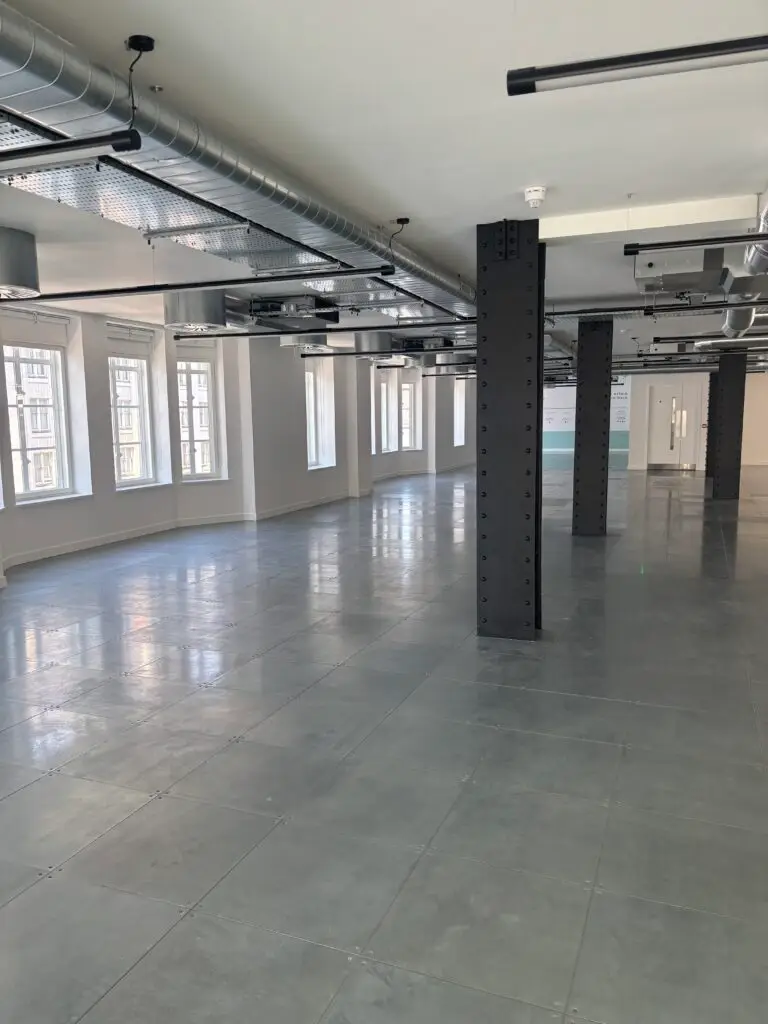
The Complete Guide to Office Dilapidations in London (2025 Edition)
Office dilapidations are one of the biggest sources of confusion — and cost — for London businesses exiting a commercial lease. Whether you occupy a small office or a multi-floor workspace, understanding your dilapidations obligations early can save thousands of pounds and prevent stressful disputes.
This guide breaks down exactly what dilapidations are, how they work, what landlords expect, and how to prepare.
What Are Office Dilapidations?
Dilapidations refer to the repairs, reinstatement works, and make-good items a tenant must complete at the end of their lease. These obligations are set out in your lease agreement and usually include:
-
- Removing alterations (partitions, flooring, data cabling
-
- Reinstating the office back to its original condition
-
- Repairing any damage caused during occupation
-
- Replacing worn items
-
- Professional cleaning
-
- Decorating or repainting
-
- Mechanical & electrical compliance
You will normally receive either a Schedule of Dilapidations or Terminal Schedule from your landlord or surveyor outlining the required works.
Why Dilapidations Are More Complex in London
London landlords often have stricter criteria because:
-
- Office space carries premium value
-
- Refurbishment cycles are faster
-
- Spaces are handed back to CAT A or part CAT A
-
- There’s greater competition for tenancy-ready offices
This makes early planning essential.
Common Dilapidations Costs
Costs vary depending on office size and condition, but typical London budgets include:
-
- Strip-out works: £25–£45 per m²
-
- Reinstatement: £40–£80 per m²
-
- Decoration: £10–£20 per m²
-
- Cleaning: £2–£4 per m²
-
- Professional fees: 8–12%
How to Reduce Dilapidations Costs
London tenants can reduce costs by:
1. Planning 6–12 weeks before lease end
Leaving it too late usually leads to panic and inflated settlement costs.
2. Instructing a specialist contractor
Companies like London Dilaps Ltd deliver compliant, landlord-approved reinstatement, helping avoid unnecessary charges.
3. Negotiating professionally
Surveyor-to-surveyor negotiation can significantly reduce claims.
4. Completing proper strip-out works
A full strip-out makes settlement smoother and prevents withheld deposits.