
Received a Schedule of Dilapidations? What London Tenants Should Do Next
Receiving a Schedule of Dilapidations from your landlord can be unsettling — especially when it arrives with a long list of repairs, reinstatement works, and an intimidating cost estimate attached.
For many London businesses, this document marks the point where the reality of end of lease dilapidations truly sets in. The good news is that a Schedule of Dilapidations is not a final bill, and tenants often have more options than they realise.
At London Dilaps Ltd, we regularly support tenants who have just received a dilapidations schedule. This guide explains exactly what it means, what steps to take next, and how to avoid paying more than you need to.
What Is a Schedule of Dilapidations?
A Schedule of Dilapidations is a formal document prepared on behalf of the landlord, usually by a building surveyor. It lists alleged breaches of the lease and outlines the works the landlord believes the tenant is responsible for completing — or paying for.
A typical schedule may include requirements to:
- Remove tenant-installed partitions and fit-out elements
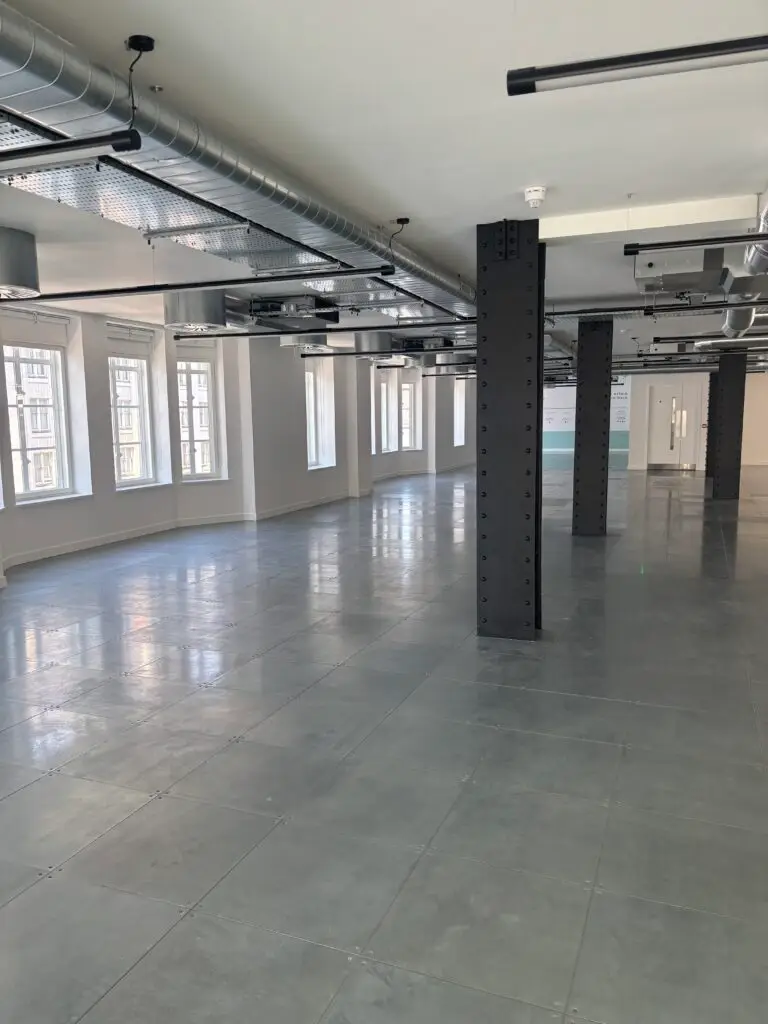
- Reinstate the office to CAT A condition
- Repair damage beyond fair wear and tear
- Redecorate walls, ceilings, and floors
- Rectify mechanical and electrical issues
- Pay associated professional fees
Schedules can be served during the lease (interim dilapidations) or at lease end (terminal dilapidations). In either case, they should be treated seriously — but not accepted blindly.
First Things First: Don’t Panic
One of the most common mistakes tenants make is assuming the landlord’s schedule is non-negotiable. In reality:
- Some items may exceed your lease obligations
- Costs may be overstated or based on worst-case assumptions
- Certain works may not be legally recoverable
- The landlord may intend to refurbish anyway
A Schedule of Dilapidations is a starting point for discussion, not an automatic liability.
Step 1: Review Your Lease Carefully
Before responding to the schedule, your lease must be reviewed in detail. Key clauses to check include:
- Reinstatement obligations
- Repair and maintenance responsibilities
- Decoration clauses (and timing)
- Yield-up conditions
- Definitions of “fair wear and tear”
Many disputes arise because landlords include items that are not actually required under the lease. Understanding what you are legally obliged to do is the foundation of any response.
Step 2: Get Professional Advice Early
Engaging a specialist dilapidations contractor or advisor early can significantly reduce your exposure.
A professional review can help you:
- Identify items that can be challenged
- Understand realistic reinstatement costs
- Decide whether to carry out works or negotiate a settlement
- Avoid last-minute, high-cost decisions
Step 3: Decide — Do the Works or Negotiate a Settlement?
Once the schedule has been reviewed, tenants usually have two options:
Option A: Complete the Reinstatement Works
This often provides the best cost control. By completing the works yourself:
- You choose the contractor
- You control the quality and scope
- You avoid landlord profit margins
- You reduce professional fees
A specialist office reinstatement contractor can manage the entire process — from strip-out to final sign-off.
Option B: Negotiate a Financial Settlement
In some cases, tenants agree to pay a settlement instead of completing the works. While this may seem easier, it often comes at a premium.
Landlord settlements may include:
- Contingency allowances
- Management overheads
- Future refurbishment costs
- Loss of rent claims
Without proper advice, settlements can be far more expensive than completing the works directly.
Step 4: Challenge Where Appropriate
It is entirely reasonable to challenge items in a Schedule of Dilapidations where:
- The lease does not require the work
- The cost is excessive
- The landlord intends to refurbish regardless
- The defect existed before occupation
Challenges should be supported by evidence such as photographs, cost breakdowns, and lease references. A professional contractor or surveyor can assist with this process.
Step 5: Plan the Works and Timeline
If lease reinstatement works are required, timing is critical. Delays can lead to:
- Holding over rent after lease expiry
- Additional landlord claims
- Increased labour costs
As a general rule, tenants should aim to:
- Start planning 6–9 months before lease end
- Begin works 1–3 months before expiry, depending on size and scope
- Allow time for inspections and snagging
What Happens If You Ignore the Schedule?
Ignoring a Schedule of Dilapidations rarely ends well. Potential consequences include:
- Escalating legal action
- Increased professional fees
- Loss of deposit
- Court-enforced financial settlements
Even if you dispute the claim, it should always be addressed formally and professionally.
How London Dilaps Ltd Helps Tenants
At London Dilaps Ltd, we specialise in supporting London tenants who have received a Schedule of Dilapidations.
Our services include:
- Schedule review and cost assessment
- CAT A reinstatement
- Office strip-out and making good
- Full project management
- Landlord liaison and inspection support
We focus on compliance, clarity, and cost control, helping tenants exit their leases without unnecessary disputes or overspend.
Conclusion
Being served with a Schedule of Dilapidations can feel daunting — but it doesn’t have to result in excessive costs or conflict. With the right advice and a structured approach, tenants can take control of the process and protect their interests.
If you’ve received a dilapidations schedule or your lease end is approaching, acting early is the key.
Contact London Dilaps Ltd today for expert advice and a free, no-obligation assessment of your dilapidations position.